FIRST CONTACT // EARTH CLASSROOM
GLORB
INCOMING TRANSMISSION
Searching 47 light years of classroom space…
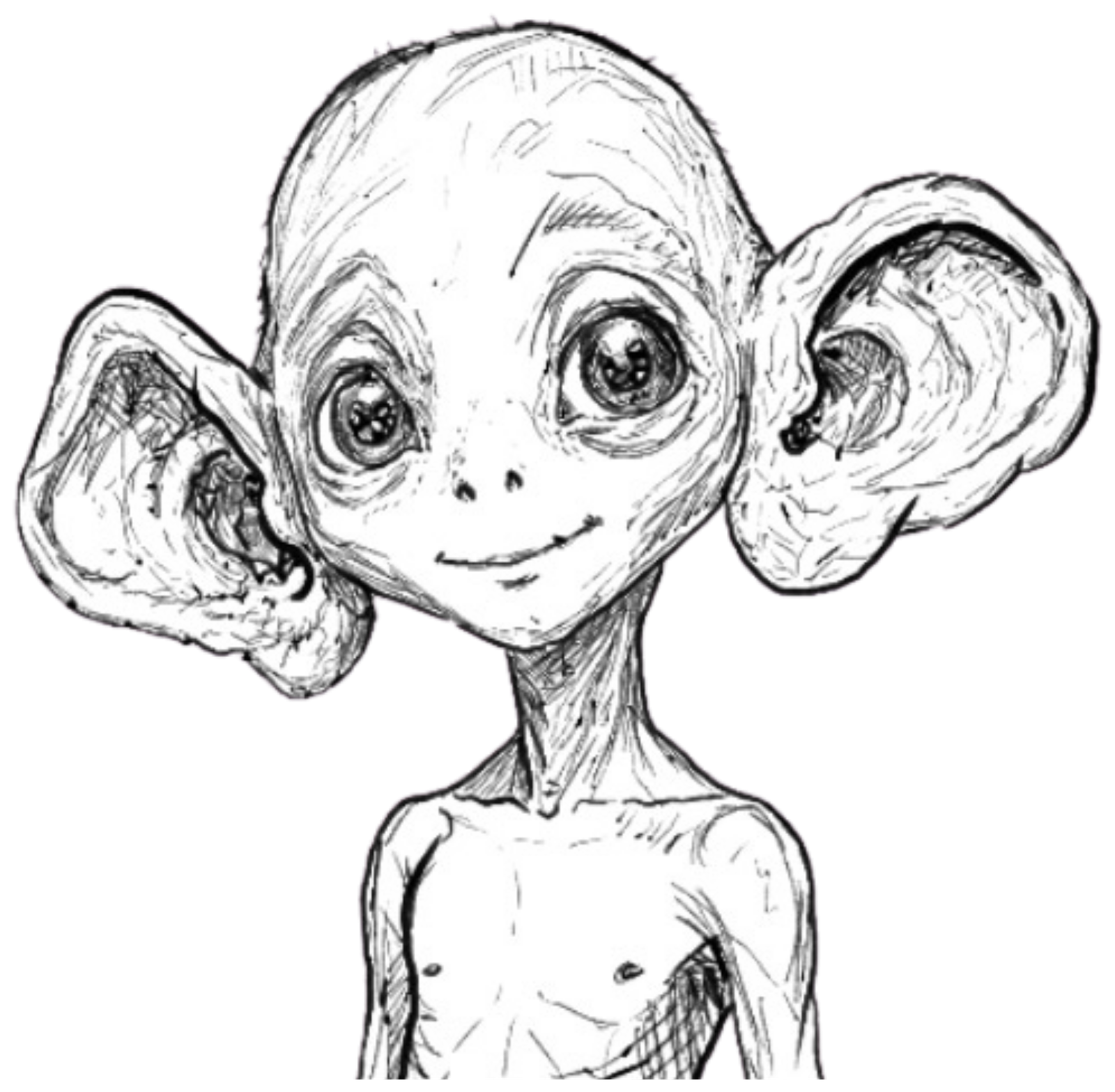
FIRST CONTACT // EARTH CLASSROOM
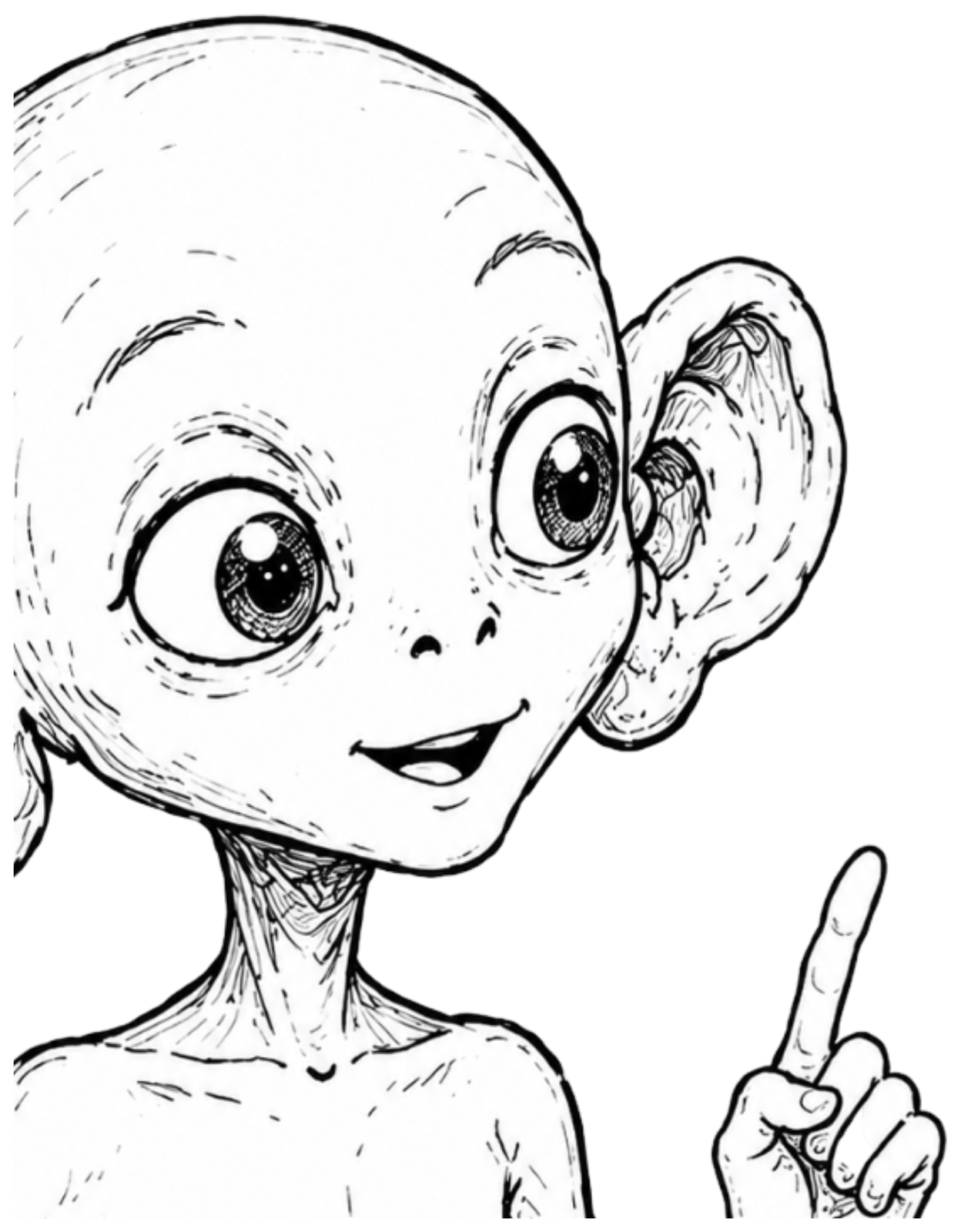
MISSION BRIEFING // ACTIVE LISTENING
We are learning how to use our eyes, ears, body and words to show someone we are listening.
RESEARCH BRIEFING
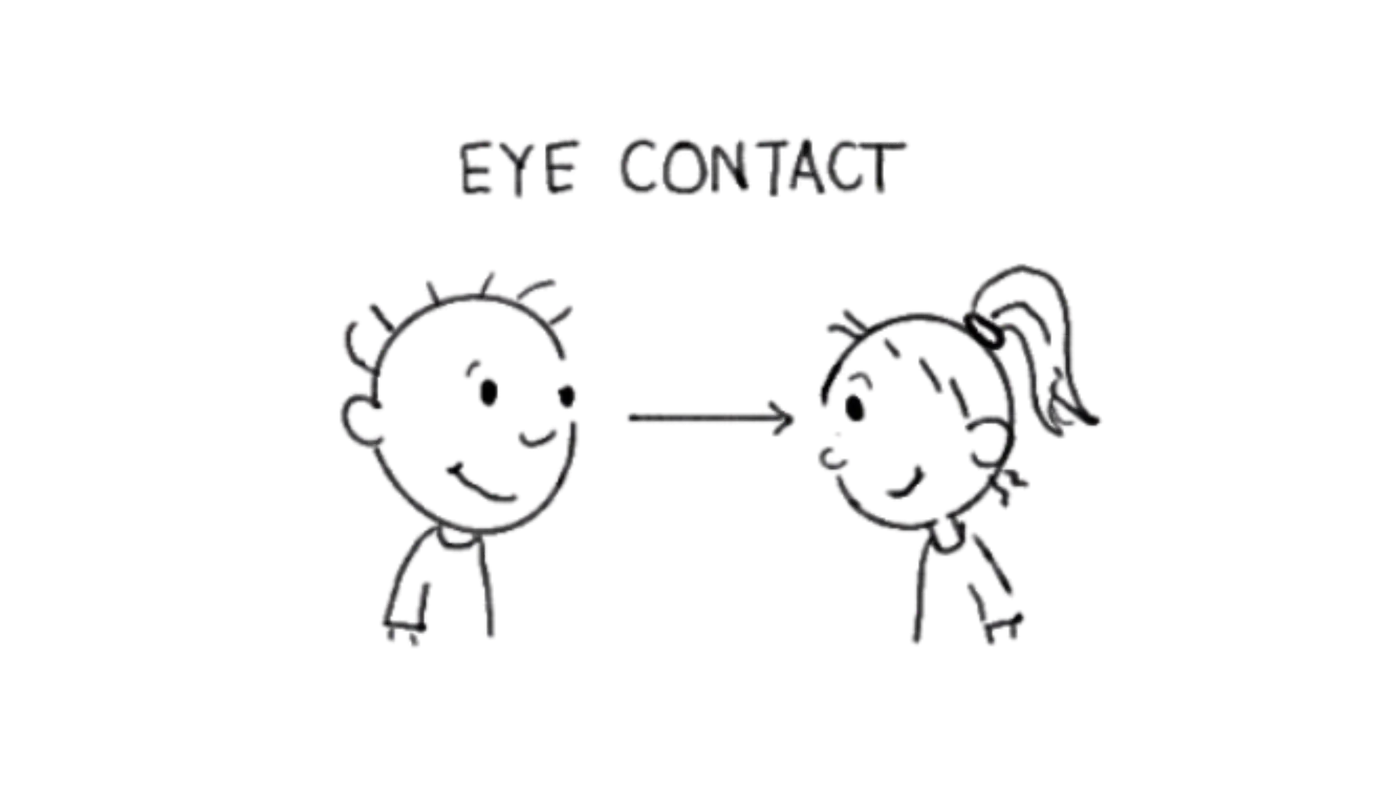
ACTIVE LISTENING // RESEARCH CARD
EARTH EXPERT CONSOLE
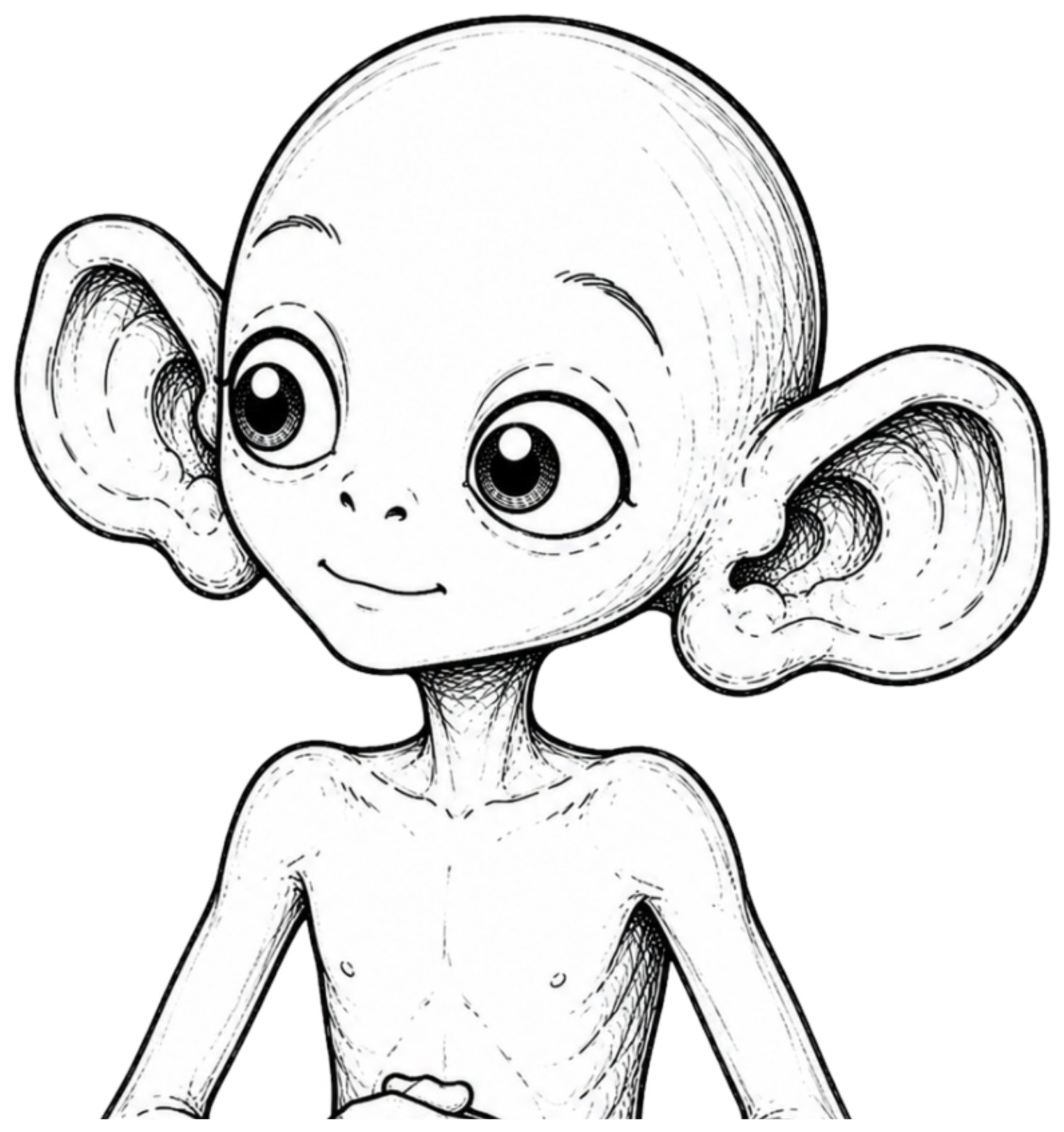
GLORB:
I need your help understanding human listening.
I have discovered it can
look like,
sound like and
feel like different things.
Can you help me sort each option into the correct category?
GLORB:
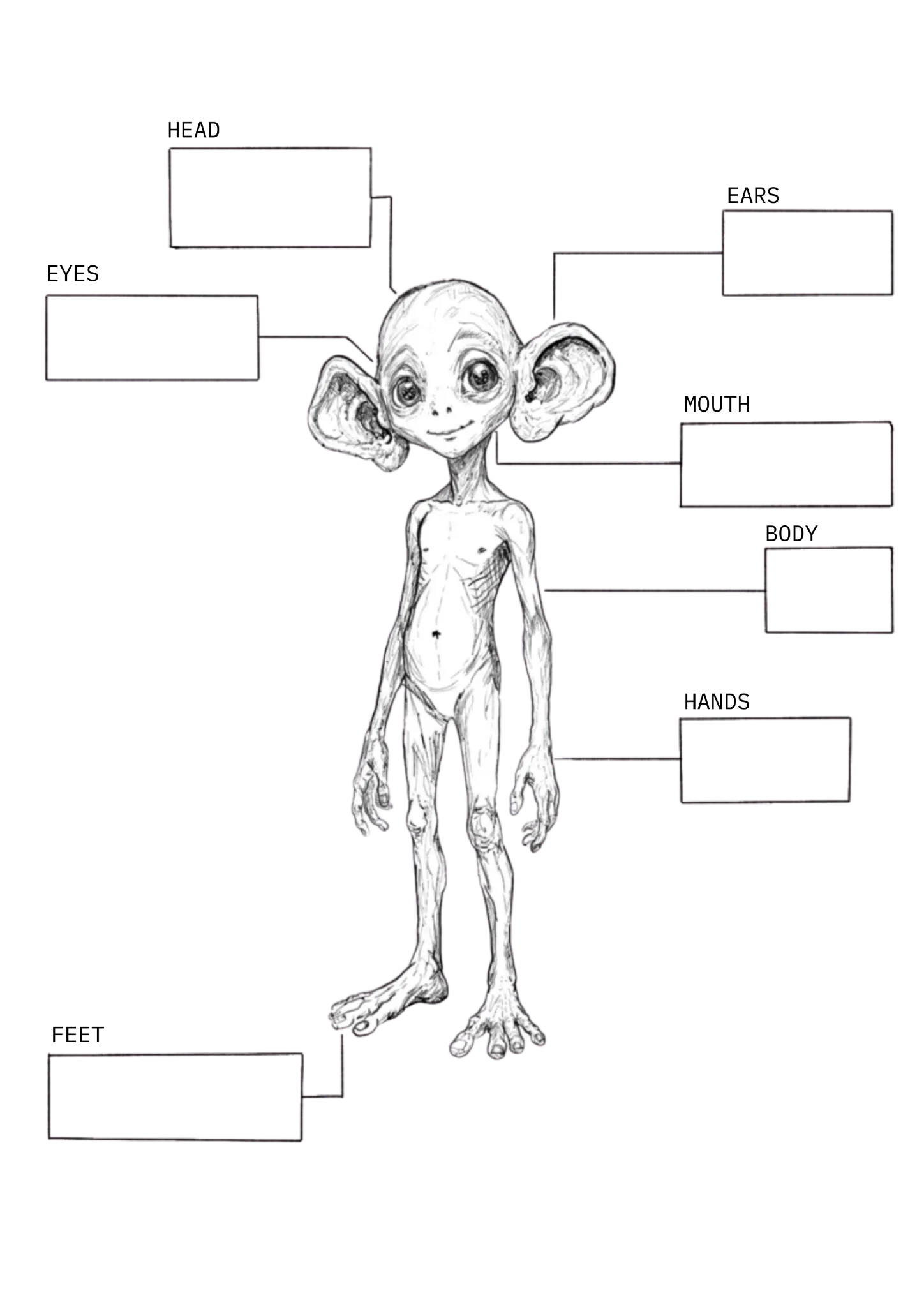
I need your help understanding my body when I am listening.
Which positions help me listen well?
Drag and drop the options to the correct spots.
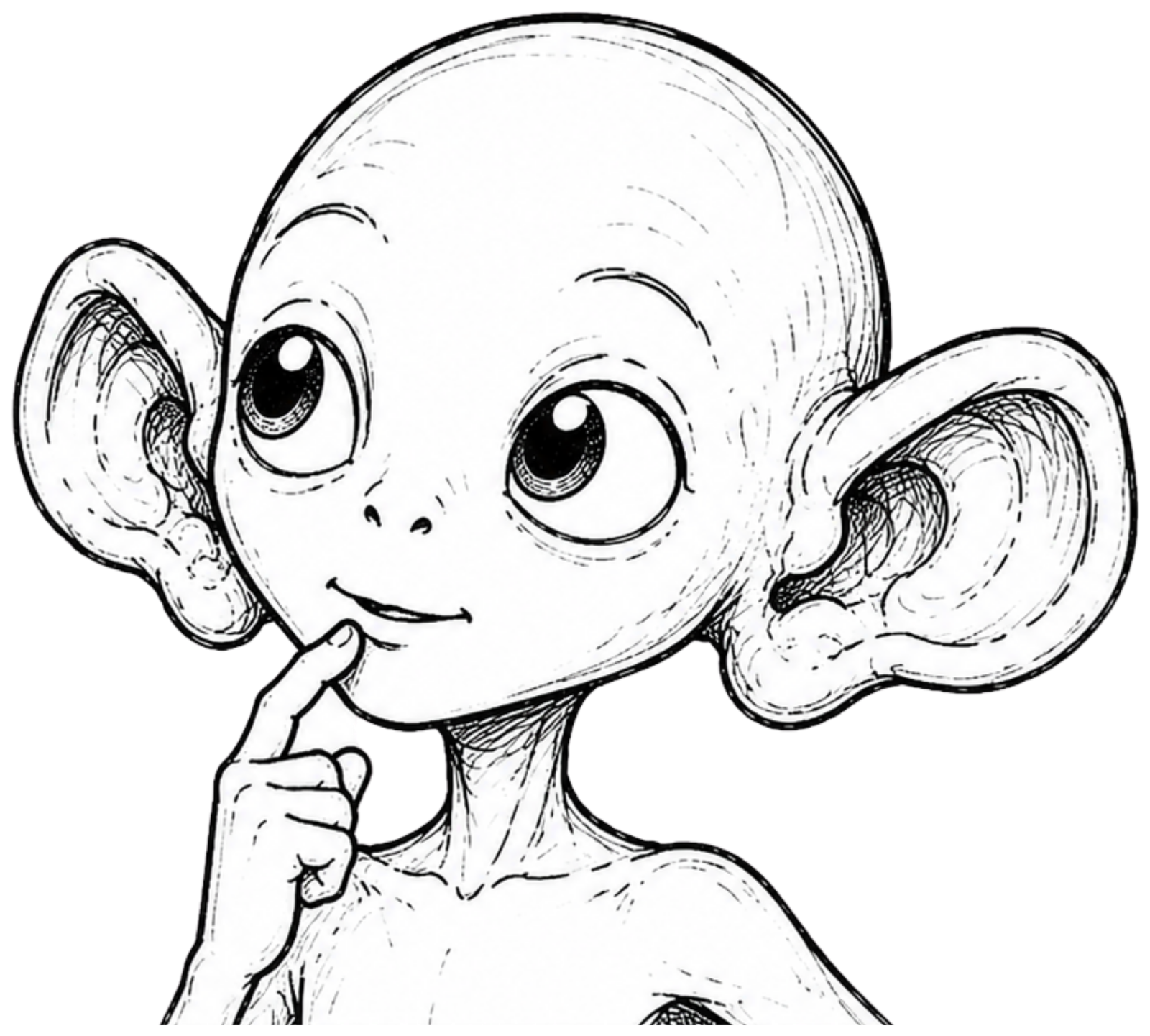
GLORB
“Pip is coming back. Their dog is still sick. I have one cloud fact ready, but I now suspect this is not the correct moment. What should I do?”
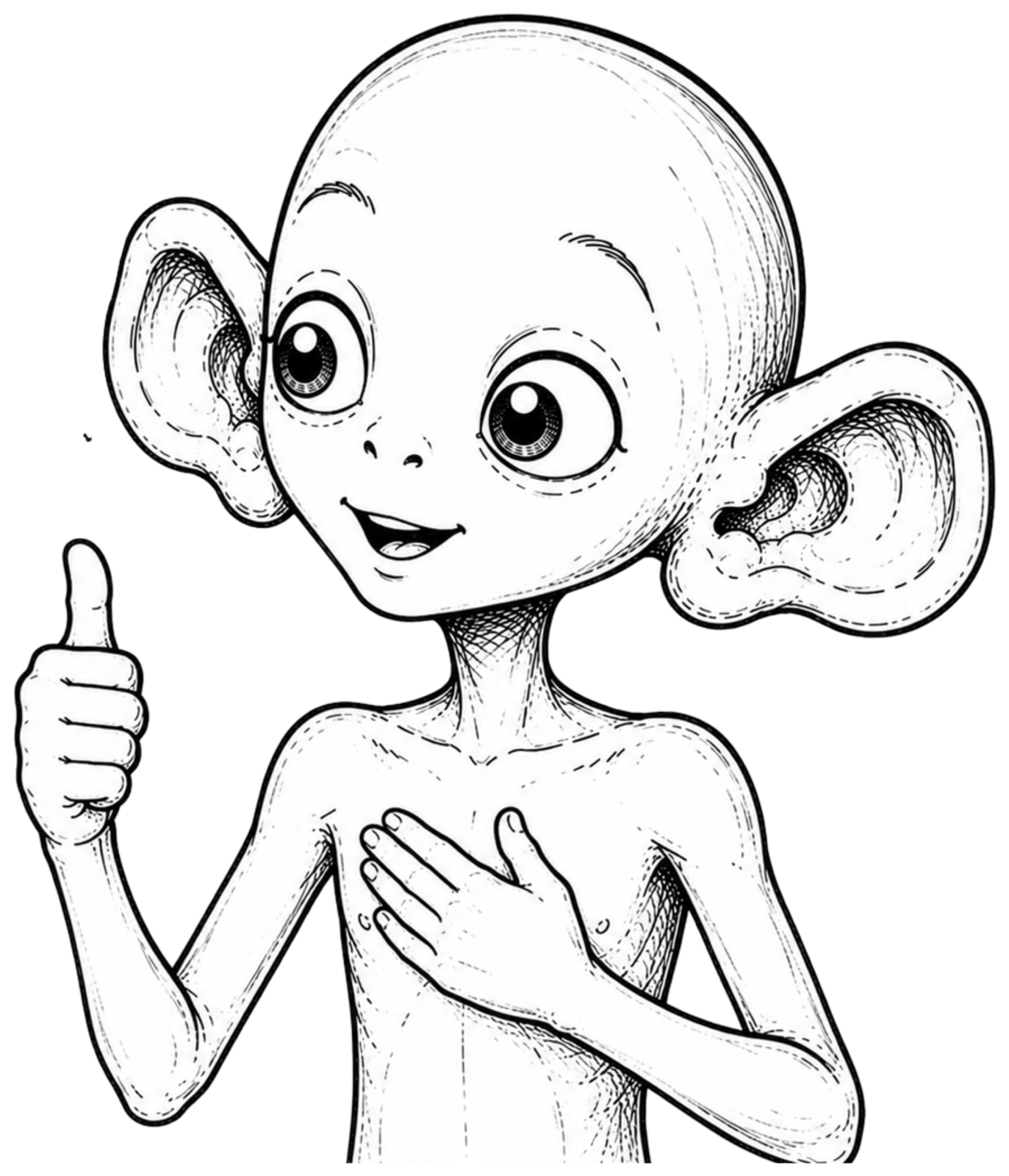
FINAL INCIDENT REPORT
Glorb: “Pip, I would like to try that conversation again. I am facing you. I will wait until you finish. Is your dog feeling better?”
Pip: “A little. Thanks for asking.”
FOR ADULTS
GLORB // Listening Mission is an explicit-teaching interactive lesson. Students help Glorb work out what active listening can look, sound and feel like, connect listening behaviours to the body, and then use those ideas in a conversation with Pip.
It makes an often-unwritten social skill more concrete by breaking active listening into observable actions that can be taught, practised and discussed.
Students practise noticing listening behaviours, waiting while another person speaks, showing attention in different ways and choosing a response that connects to what has been said.
Completion shows supported performance inside this lesson. It does not prove that a student will use the same listening skills independently across different people, settings or real conversations.
LEARN → SORT → MAP → APPLY
Students work through 12 active-listening examples. Each behaviour is named, illustrated and accompanied by an explanation of what it means and why it may help during a conversation.
Students organise listening examples into LOOKS LIKE, SOUNDS LIKE and FEELS LIKE to make the skill more concrete.
Students connect listening strategies to the head, eyes, ears, mouth, body, hands and feet.
Students help Glorb choose several listening actions in a conversation with Pip, then choose a response that stays connected to Pip's topic.
Recognising active listening, showing attention, managing their conversational turn, waiting for another person to finish, asking relevant questions and responding to what the speaker has said.
Personal and Social Capability
Primary link: Social Management → Communication
The strongest Level 4 connection is:
“apply skills to address factors that influence verbal and non-verbal communication”
Using verbal and non-verbal communication skills when listening and responding to another person.
The lesson also has a supporting connection to Relational Awareness because listening is presented as part of reciprocal interaction.
Australian Curriculum v9.0 — Personal and Social Capability
The mission turns an abstract instruction such as “listen properly” into named, observable actions that can be shown, discussed and practised.
The lesson treats listening as an interpersonal process involving attention, processing and response.
The social problem comes first, followed by explicit teaching and practice before the learner returns to a similar interaction.
ORIGINAL PROBLEM → LEARNING → PRACTICE → REPAIRED INTERACTION
Incorrect answers stay inside the learning process. Students receive information that helps them reconsider a choice and try again.
The skill is taught explicitly while the visual style, humour and interaction design remain age-respectful.
This is an educational practice activity. It is not a clinical, medical or psychological assessment.
Pair the mission with discussion, adult modelling, role-play and real conversations outside the screen.
The behaviours in the mission are teaching examples, not a checklist every person must perform in exactly the same way.
Eye contact, body orientation, movement and other visible signs of attention can vary between people.
Focus on whether the learner is able to attend, understand and respond rather than requiring one fixed listening posture.
Let the student try first. Then ask: What showed you that Glorb was listening? What did Glorb do differently? How did his reply connect to what Pip said? Could someone show they are listening in another way?
The research base supports the teaching and design rationale used here. It does not show that completing this lesson proves real-world listening ability or that GLORB itself has been independently proven effective.